

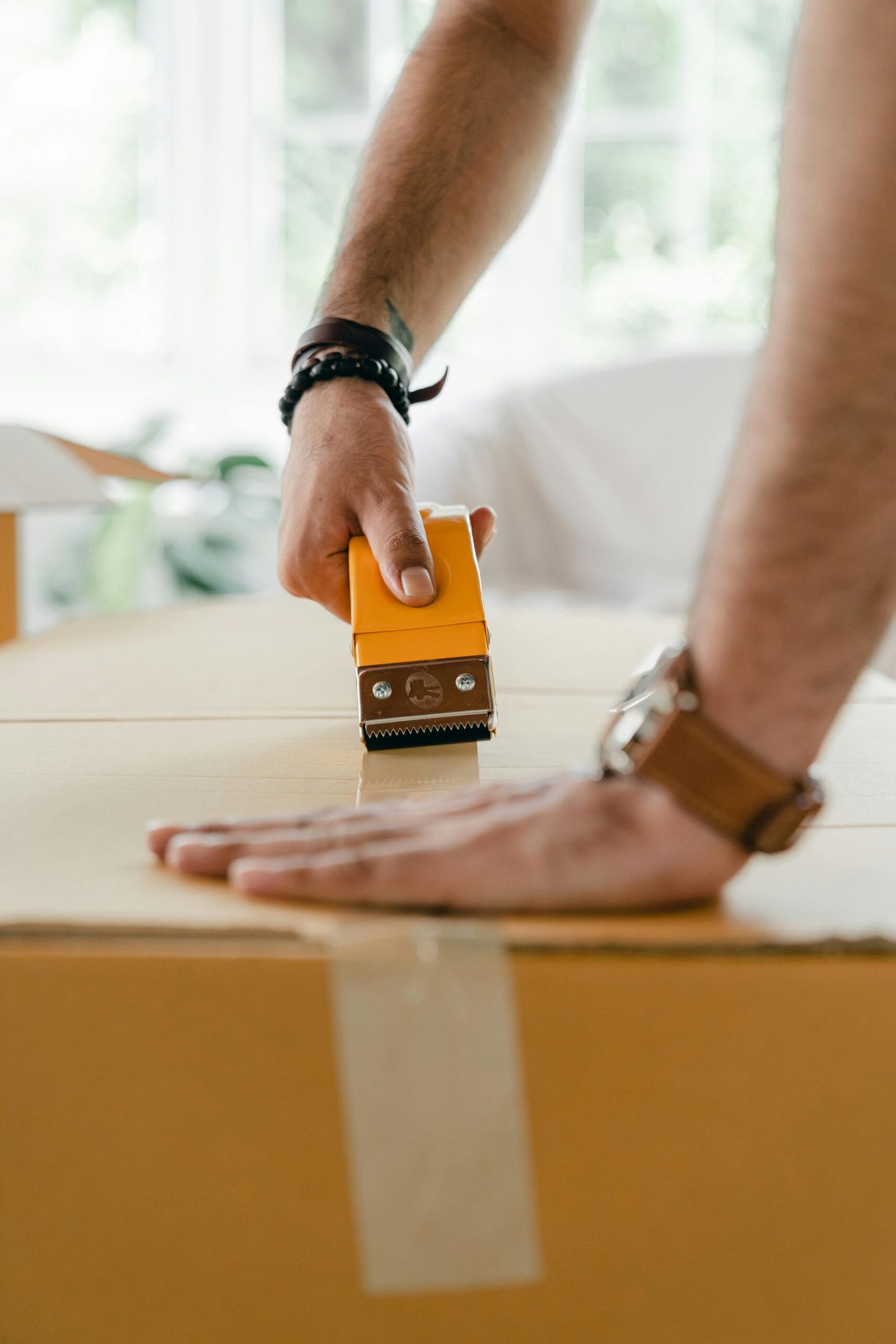

Introduction to Furniture Moving: A Journey Through Time
The practice of moving furniture has undergone significant transformations over the years, evolving from labor-intensive manual methods to today’s sophisticated and efficient services. In earlier times, moving furniture often involved a community effort, where friends and family would come together to help transport large and cumbersome items. The lack of advanced tools and technologies posed challenges, making the process time-consuming and physically demanding.
As society progressed through different decades, so did the techniques and equipment used for furniture moving. The industrial revolution introduced the use of dray horses and later motorized vehicles, revolutionizing the way households relocated. These advancements not only expedited the process but also reduced the risks associated with moving heavy items. However, challenges remained; inconsistent access to transportation and the absence of professional moving services meant that individuals still faced hurdles when undertaking relocations.
The latter part of the 20th century saw the emergence of dedicated moving companies, offering various services tailored to meet the growing demand for efficient furniture relocations. Industry professionals began employing specialized equipment, such as moving dollies and ramps, to streamline the process. Furthermore, technological innovations, including GPS navigation, have enhanced the efficiency of modern moving operations, allowing for better planning and execution.
Today, the landscape of furniture moving is constantly evolving, driven by consumer expectations for speed and convenience. With the availability of full-service moving firms, individuals can now access packing, storage, and transportation services all in one place. This shift highlights a growing reliance on professional expertise while acknowledging the historical context of furniture moving practices. Each era reflects not only changes in technology but also the shifting dynamics of society’s approach to relocation.
Traditional Moving Methods: Pros and Cons
When it comes to moving furniture, traditional methods have stood the test of time and continue to be popular among individuals looking to relocate. Among these methods, DIY moving with friends and family is often favored due to its personal touch and lower costs. Gathered friends can provide emotional support and companionship, transforming the labor of moving into a more enjoyable experience.
One significant advantage of moving with friends is the reduced financial burden, as this method typically does not incur expenses associated with hiring professional movers. However, relying on friends may also present challenges, such as scheduling conflicts or varying levels of physical strength and endurance. Moreover, the potential for physical strain arises from the heavy lifting and awkward maneuvering, which can lead to injuries if not managed carefully.
Hiring local movers is another traditional approach, offering a more professional service while still being commonly accessible. Local movers often possess the necessary expertise and equipment to handle furniture safely, reducing the risk of damage to both items and property. This method can save time and effort, as professionals are trained to efficiently handle various moving scenarios.
Nonetheless, hiring local movers can come with a higher price tag, which may not be suitable for everyone’s budget. Additionally, the availability of local moving services can be limited, particularly during peak moving seasons. This could necessitate advanced planning and booking.
Lastly, using basic equipment like dollies and hand trucks can facilitate moving tasks, allowing for easier transport of heavier items. While these tools enhance efficiency, they may also require physical strength and knowledge of proper usage to be effective.
In conclusion, traditional moving methods bring a range of benefits and drawbacks that require careful consideration. Each option presents unique challenges and advantages, making it essential to evaluate personal preferences and circumstances when selecting the most suitable approach to moving furniture.
Modern Moving Services: Innovations and Benefits
In recent years, the landscape of moving services has evolved significantly, largely due to advancements in technology and changing consumer preferences. Modern moving companies now offer a wide array of services designed to enhance the overall moving experience. One notable innovation is the advent of professional moving services, which provide expertise and tools that streamline the relocation process. These companies can efficiently handle all aspects of a move, from packing to transportation and unpacking.
One key advantage of utilizing professional moving services is their capacity to ensure safety. Trained professionals are adept at lifting heavy objects and navigating challenging environments, which reduces the risk of injury. Additionally, modern movers often use specialized equipment, such as dollies and lift gates, which facilitates the safe transport of furniture. This is particularly beneficial for valuable items, as it minimizes the potential for damage during transit.
Another significant benefit of contemporary moving services lies in their convenience. Many companies now offer packing and unpacking services that significantly lessen the burden on clients. This allows individuals and families to focus on other essential aspects of their relocation, such as setting up their new domicile. Moreover, some companies provide specialized transport solutions, including climate-controlled trucks for sensitive items, which ensures that goods arrive in pristine condition.
However, these modern services are not without their drawbacks. The cost of hiring professional movers can be considerably higher than traditional methods, leading some to question the value of these services. Furthermore, relying on third parties for one’s belongings may instill a sense of apprehension about the care of personal items during transit. Ultimately, the decision to employ modern moving services should be weighed carefully against individual needs and budgetary considerations, striking a balance between innovation and expense.
Choosing the Right Moving Method for Your Needs
When it comes to moving furniture, the best method largely depends on individual needs and circumstances. Understanding the various factors involved can help streamline the process and ensure a smooth transition. One of the first considerations should be your budget. Hiring a professional moving service often comes at a premium, while traditional methods of moving, such as renting a truck or using a DIY approach, can be more cost-effective. Evaluating how much you’re willing to spend will help determine your options.
Another critical factor to consider is the distance of your move. For local moves, personal transportation might suffice to accommodate smaller volumes of furniture. However, for long-distance relocations, professional movers may be advisable, as they possess the expertise to handle logistics efficiently and ensure the safety of your items during transit.
The volume of furniture is equally significant in decision-making. If you have large and heavy items, enlisting the service of professional movers can mitigate the risk of injury and damage, as they are trained to manage such challenges. Conversely, if you are only moving a few pieces, you may opt for self-service methods, which can save on costs.
Time constraints also play a vital role in choosing your moving method. Professional moving services can deliver timely results, especially when deadlines are tight. However, DIY moves may offer flexibility, allowing you to schedule things according to your convenience.
Finally, consider your personal preferences. Some people may feel more comfortable handling their belongings themselves, while others may prefer to delegate the task to experienced movers. Regardless of the method chosen, planning and organization are key to a successful moving experience.


Leave a Reply